From the Saddle: on movement, sport and belonging.
When I first sat on a friend’s Shetland pony, Toby, when I was about 6 years old, I never wanted to get off. I was obsessed with their smell, the way they moved and their tenderness.
As I grew up, a local farmer, Mr Smeeth, lent me a pony called Tommy. Later I was loaned Frosty and Looby. I was a fearless child at pony club and was often put on the ponies that were ‘misbehaving’.
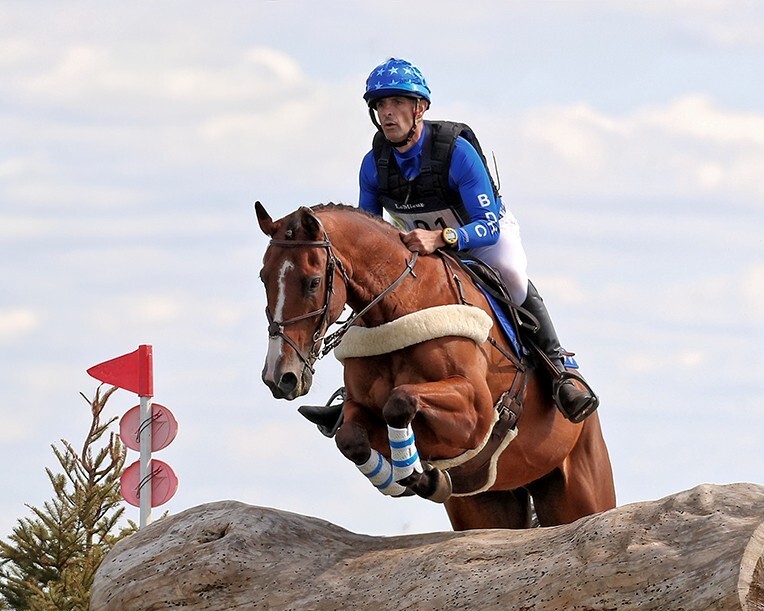
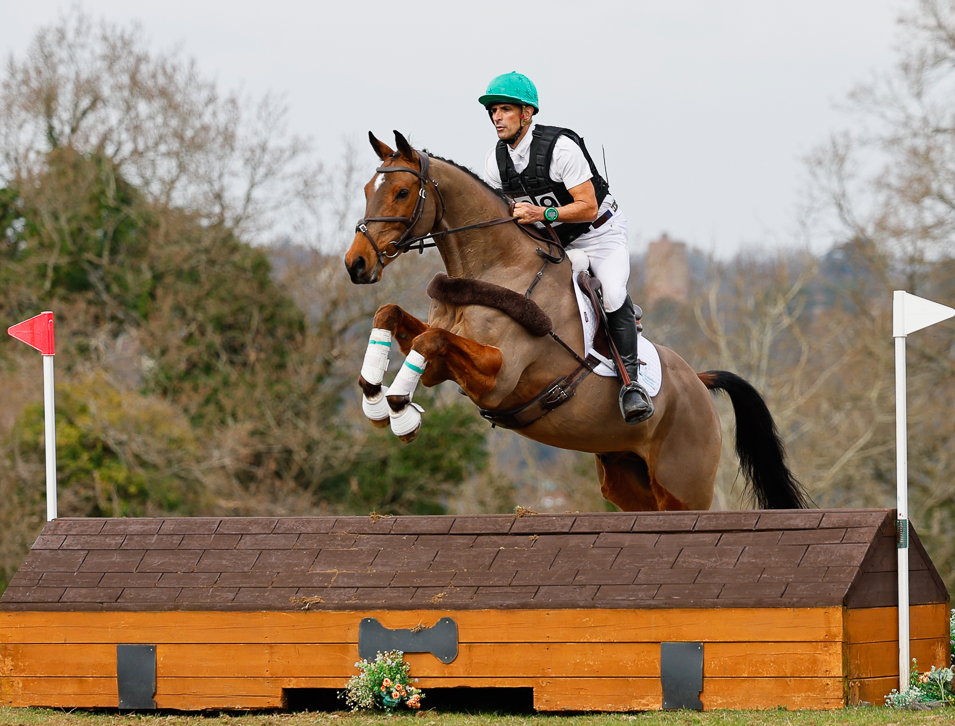
At 52, I am not as fearless as I was at 14 or as the world class riders that took on Badminton Horse Trials this week. Badminton is the iconic setting for one of the toughest three-day events in the world. The bond and trust between the horse and rider taking on this world-class challenge is inspiring.
But the bond I have with Boris and Obi is just as strong. And the absolute joy they bring me is vital to my mental and physical wellbeing. Whilst many people who ride do not compete, that has always been the fun bit for me. Pushing myself out of my comfort zone, aiming to improve and seeking new goals.
Success at any level in sport – equestrian or otherwise – is built on trust, confidence and a sense of belonging. I – and most of the people from the LGBTQ+ community I know – have always felt very welcome within the equestrian community.
I want every single member of the LGBTQ+ community to feel they are able to experience the mental and physical benefits of activity, exercise and movement – whether that be a gentle walk, a community club run or team sports. That is why the new era of the Rainbow Laces campaign matters so much to me.
While movement and exercise can be an incredibly powerful force for connection and wellbeing, for too many people from the LGBTQ+ community, that sense of belonging is not guaranteed.
After extensive consultation, we took the deliberate decision to shift the Rainbow Laces campaign to focus on exercise, movement and belonging. We created a Proud Pledge that clubs and bodies can sign as a commitment to create environments where LGBTQ+ people are and feel welcome: from inclusive policies to visible allyship and clear expectations of behaviour.
We have been inspired by those who have shown their commitment to actively creating cultures of belonging. This really matters, at a time when some people, particularly trans+ people, are being and feeling excluded.
Next week, is Mental Health Awareness Week, which is encouraging all of us to take action for our mental health. Activity, movement and exercise are one sort of action that many people from the community already take to look after their mental health. Our hope is that, through working in partnership with the Rainbow Laces campaign, we can encourage conversation, encourage action and amplify the amazing initiatives that promote inclusion such as Football vs Homophobia.
Sport should be for everyone. Events like the Gay Games in Valencia this summer and the Euro Games in Cardiff in 2027 have been designed because LGBTQ+ people have not always felt welcome – and some still don’t.
We can change that. People are taking big and small actions from wearing a pair of Rainbow Laces to signing the Proud Pledge to coordinating weeks of action, establishing LGBTQ+ supporters clubs in football and rugby, setting up queer hiking groups, opening inclusive gyms and much more – all helping to connect the LGBTQ+ community to activity, exercise, sport and nature.
The shifting nature of the Rainbow Laces campaign is important given the context. We are in a period of significant turbulence for the LGBTQ+ community and the evidence shows that poor mental ill health is increasing, including among young people, and there are significant disparities in mental health outcomes for LGBTQ+ people. Activity, exercise and sport can play a vital role in supporting wellbeing, offering community, creating structure and a sense of achievement. That only holds true if people feel confident enough to take part.
Fear of being judged, excluded or discriminated against can prevent us from trying new activities that could bring joy and make us step back from activities where we feel excluded. That is why belonging is not a “nice to have”. It is essential.
As we look ahead to global events like the FIFA World Cup in Canada, Mexico and the USA and the Commonwealth Games in Glasgow, there is an opportunity to bring people together. These events can create hope and optimism, building unity and belonging, or they can do the opposite. When I and others in the LGBTQ+ community watch these sporting events, we are not just seeing sport, we are also asking ourselves, is there a place for me here? Can I be part of this?
If the answer is yes, whether as a competitor, spectator and supporter, sport has the power to bring people together in ways few other things can.
The visibility and success of Team LGBTQ+ at the winter and summer Olympics was wonderful to see. It shows that change is happening, but in the current political environment, progress is not inevitable.