Across Generations: Living, Loving and Thriving With HIV
Ending HIV Stigma once and for all
The HIV epidemic, from its earliest days, had a devastating impact on the LGBTQ+ community, first manifesting amongst gay, bisexual and other men who had sex with men. At the same time as Stonewall was being established (1988) to fight Clause 28, members of the community were experiencing the same homophobia relating to what was seen as a “gay plague”. The after-effects of this stigma can still be seen in today’s turbulent times, with persisting health inequalities and discrimination and poorer health outcomes for the community.
Stonewall’s fight for fairness, equality and equal rights for everyone complements the vital work being done by the HIV sector, and by people like Julian and Adam who, here, share their own experiences as men from different generations who are living with HIV.
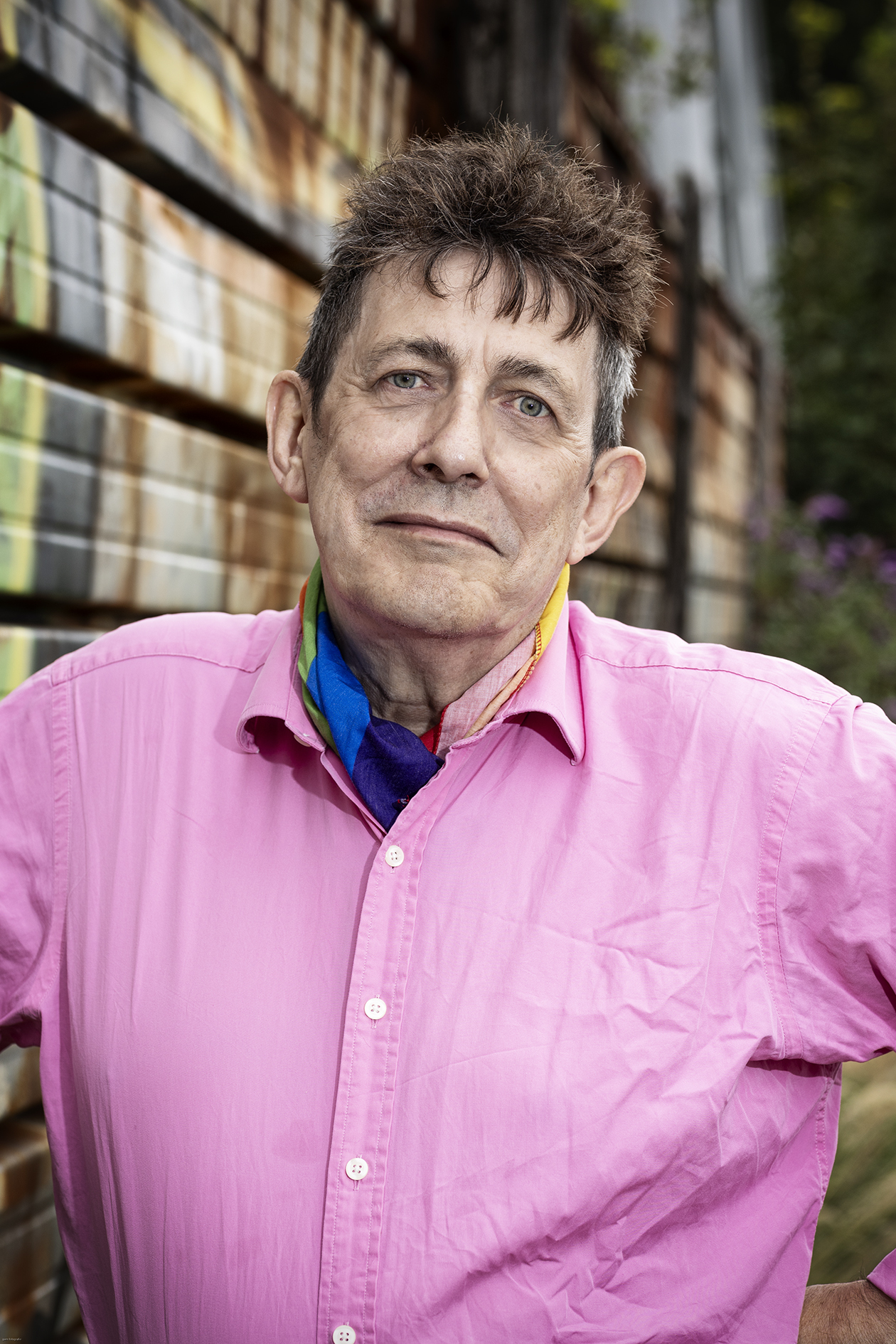
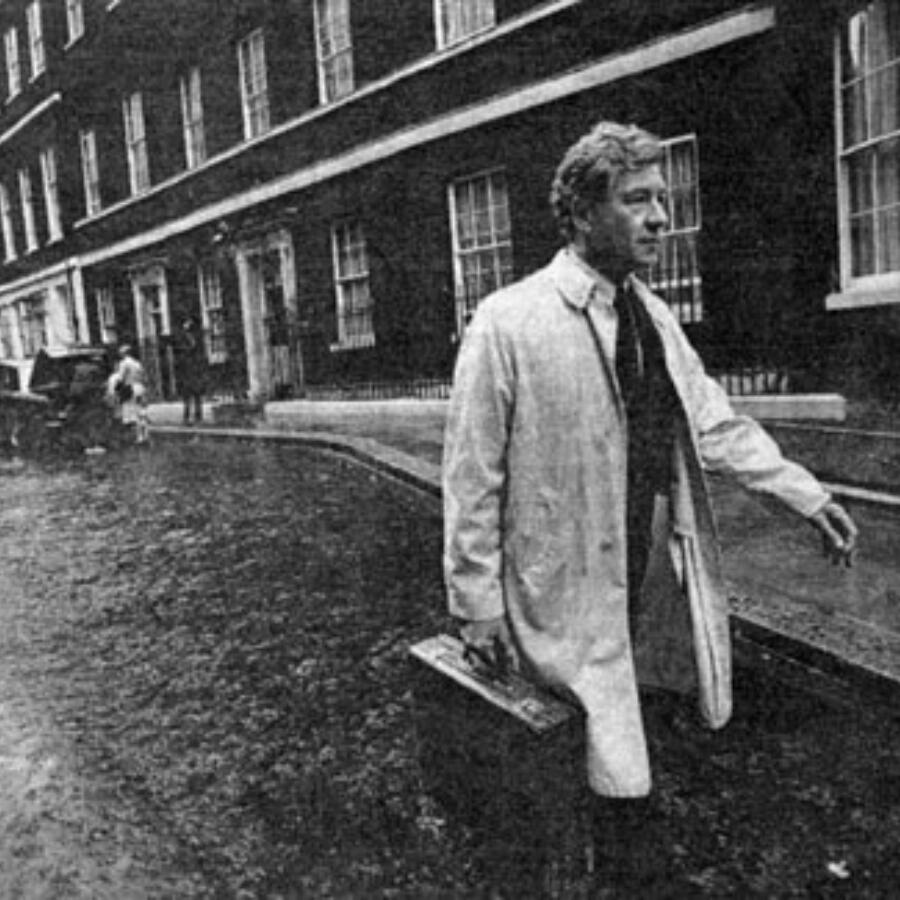
When Julian Hows (70) was diagnosed with HIV in the late 1980s, he was working on the phones at London Lesbian & Gay Switchboard, supporting a community in the midst of devastation. “I put off testing for years,” he says, “because I was caring for people who were being diagnosed at ten T-cells. I didn’t want to know. Not then.”
In those years before effective treatment, HIV was a daily reality of illness and loss. The fear wasn’t abstract. 'We were burying people,' Julian recalls. And there was no treatment. Just AZT (azidothymidine). You were supposed to survive on macrobiotic diets, homeopathy, visualisation… but there was no cure, honey.”
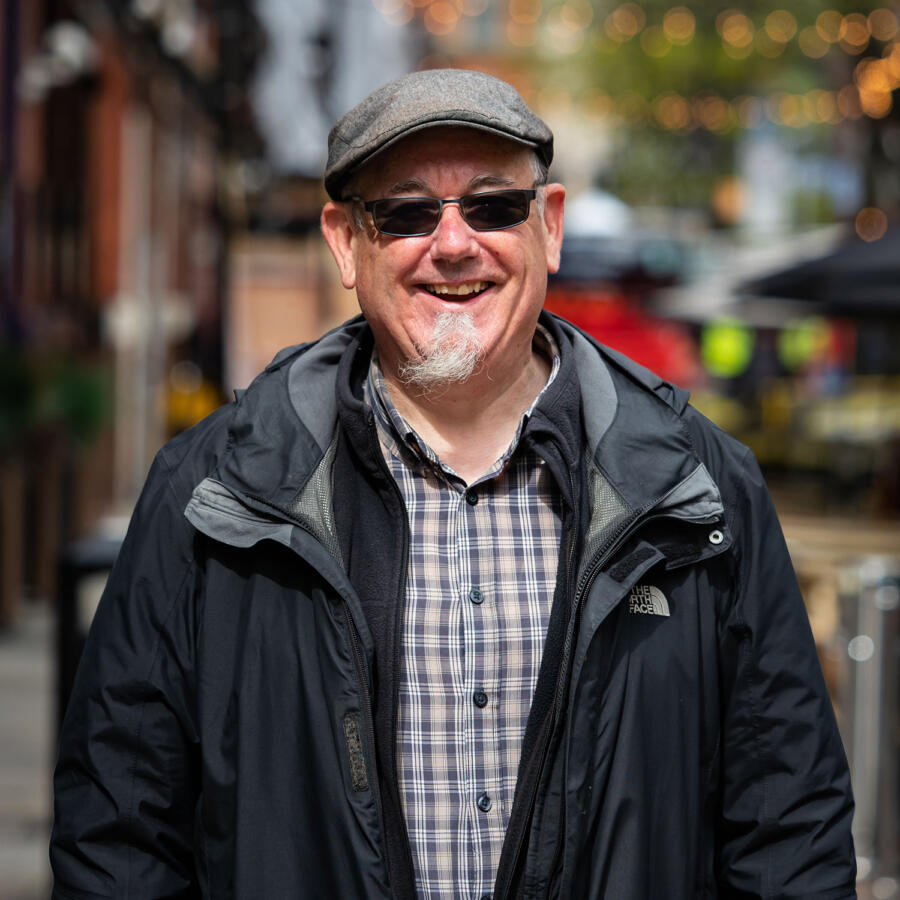
More than thirty years later, Adam Williams (28) got his diagnosis during the COVID-19 pandemic. “I didn’t realise it was HIV,” he says. “I was actually really ill at first. I did an at-home test because clinics were shut, during lockdown, and when it was positive, I thought: that’s it. I’m going to die.”
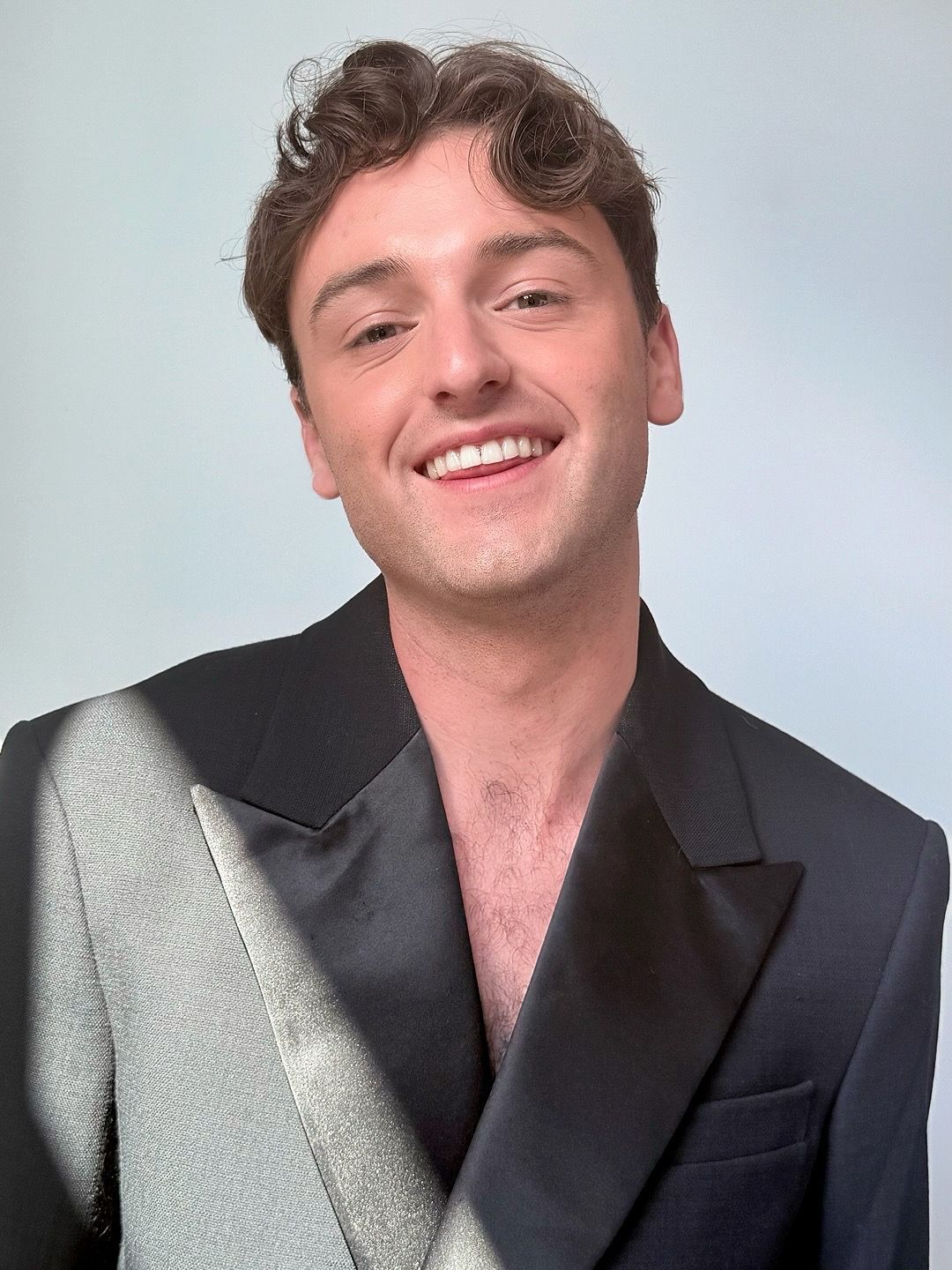
But he was put onto modern retrovirals within a fortnight - treatment so effective it suppressed his virus almost immediately. “The contrast between Julian’s experience and mine is massive,” he says.
I feel privileged to get medication that works straight away. But that’s only because generations before us went through that trial-and-error stage.
Fear, resilience, and the realities of stigma
Despite their different experiences, both describe the same visceral moment after diagnosis: the confrontation with mortality. “Whether it’s 1988 or 2018,” Julian says, “there’s that feeling of: this changes everything.”
For Adam, being gay softened the landing. “We do talk about HIV in the community - even if there’s stigma. In the straight world, it’s more taboo. At least we have spaces, conversations, PrEP [pre-exposure prophylaxis -medications that you can take to protect you from contracting HIV], PEP [post-exposure prophlaxis – emergency medication that can be taken to protect you, if taken within 24 hours of potential exposure].”
Yet stigma persists. Adam shares a recent experience at his dentist. “I disclosed my status and they said they’d have to book me the last appointment of the day so they could ‘disinfect’. They were acting like they didn’t already change their tools. It’s a constant reminder - especially in a small town - that education still has a long way to go.”
Julian nods at the familiarity. “It’s the same old story. Why should I have to disclose something that poses no risk to anyone? But we’re still forced into it, by people’s assumptions and attitudes, and we’re still living with that fear of being rejected because of stigma and lack of understanding.”
He remembers coming out as living with HIV on Slovenian national television in the early 1990s.
“No one in the whole country was willing to appear on camera,” he says. “I was only there for a few days, attending a conference, so I did it. That evening, 35 people travelled from all over Slovenia to the gay bar I had mentioned in the interview, just to talk to someone living with HIV. That’s the power of visibility, but also the burden of it.”
Adam understands that burden intimately after sharing his status on BBC Three’s I Kissed a Boy:
“I told the nation - but I still get scared someone I work with might Google me. There’ll always be that background fear. Having HIV becomes part of your identity, whether you want it to or not. But I’m proud to represent people who are newly diagnosed and terrified. I want them to see that life goes on, and that it can be great!”
Why community still matters
For both Julian and Adam, community has been life-sustaining – although it has taken differing forms. Adam speaks first about the support he found through HIV charities.
“I didn’t know anyone with HIV at first. I followed people on social media, but that’s not the same. Then I went to a conference from [HIV support organisation] Positive East, and spoke to this woman in her fifties who’d lived through the epidemic. She gave me such perspective. After that, I felt grounded again. That one human connection changed everything for me.”
Julian recognises that completely.
In the early days, support groups were all we had. Before treatment, peer support was medicine.
"Those groups taught us how much we had in common - whether we were gay men, people from African diasporas, drug users, mums, dads. That human touch mattered then and it matters now. HIV isn’t just a medical condition; it’s emotional, social, personal. Without support, people stop taking their meds. With support, they can thrive.”
Looking forward – together
Both men return to the same message: progress is real, but incomplete.
As Adam says:
“People think the battle’s over because treatment works. But stigma still affects people’s jobs, dating lives, access to healthcare. Globally, people are still dying. Cuts to HIV funding anywhere affect us everywhere.”
Looking back over the years, Julian adds:
“We’ve improved so much, but we still carry those old messages: that having HIV means you’re flawed, that you did something wrong. We have to keep challenging that. We deserve to live openly, safely, proudly.”
On World AIDS Day, their conversation is a reminder that our community is strongest when younger generations speak with older ones - and when lived experience is honoured, shared, and centred, with respect and understanding.
As Adam puts it:
“I hope the world gets kinder. Whatever your status, wherever you’re from, however you got here - everyone deserves support, dignity and connection.”
And Julian ends, with a smile:
“I did the 80s so you don’t have to, darling. But the fight for compassion - that’s all of ours.”