We have to teach future generations the importance of compassion, empathy, kindness and inclusion.
Our vision at Stonewall is a world where everyone, everywhere has equal rights. As a society we often place such hope in the next generation to advance equality for all and, of course, they deliver time and again.
But if we are to place hope in the next generation, we also have to set an example and create the conditions for them to progress human rights and freedoms. We have to teach and demonstrate the importance of compassion, empathy and humanity and to nurture values of kindness and inclusion.
This week Girlguiding made the ‘difficult decision' that young trans women will no longer be able to join. A decision which runs contrary to their values. No organisation that seeks to support young people wants to have to tell some of them that they do not belong.
Today the Women's Institute has announced it will no longer accept trans women as full members. They combined their announcement with the decision to set up sisterhood groups; looking for ways to champion and signal inclusion, despite having had to take steps about membership that are not aligned to their values.
Whatever the individual views of the Supreme Court judgment in April 2025 are, organisations must seek expert legal advice and act in accordance with the law. And regardless of Stonewall's views about the decisions being subsequently enacted, it is clear that they are being made reluctantly and with heavy hearts.
As pressure is applied, and decisions are confronted, many organisations await the forthcoming statutory guidance from the Equality and Human Rights Commission (EHRC). We hope it makes clear how organisations can operate from the principle of inclusion, in line with their values, rather than one of exclusion.
We cannot lose sight of how crucial our actions and responses are at this moment. In both the case of Girlguiding and of the Women’s Institute, their respective announcements express sadness, regret and solidarity with trans+ communities. Both have also shared their intentions to create alternative, inclusive options.
Against this backdrop, the new EHRC Chair, Mary-Ann Stephenson has taken up her post this week. We hope this will be an important opportunity for reset within our national human rights body as she sets out her intent 'to lead with compassion, honesty and dedication, working collaboratively to ensure we can all live with dignity'.
All of this is taking place in the middle of 16 days of activism to end violence against all women and girls. Organisations that have played an important role in empowering women and girls for decades are having to spend time and resources on decisions that are divisive and harmful, and that do not contribute to keeping women or girls safe.
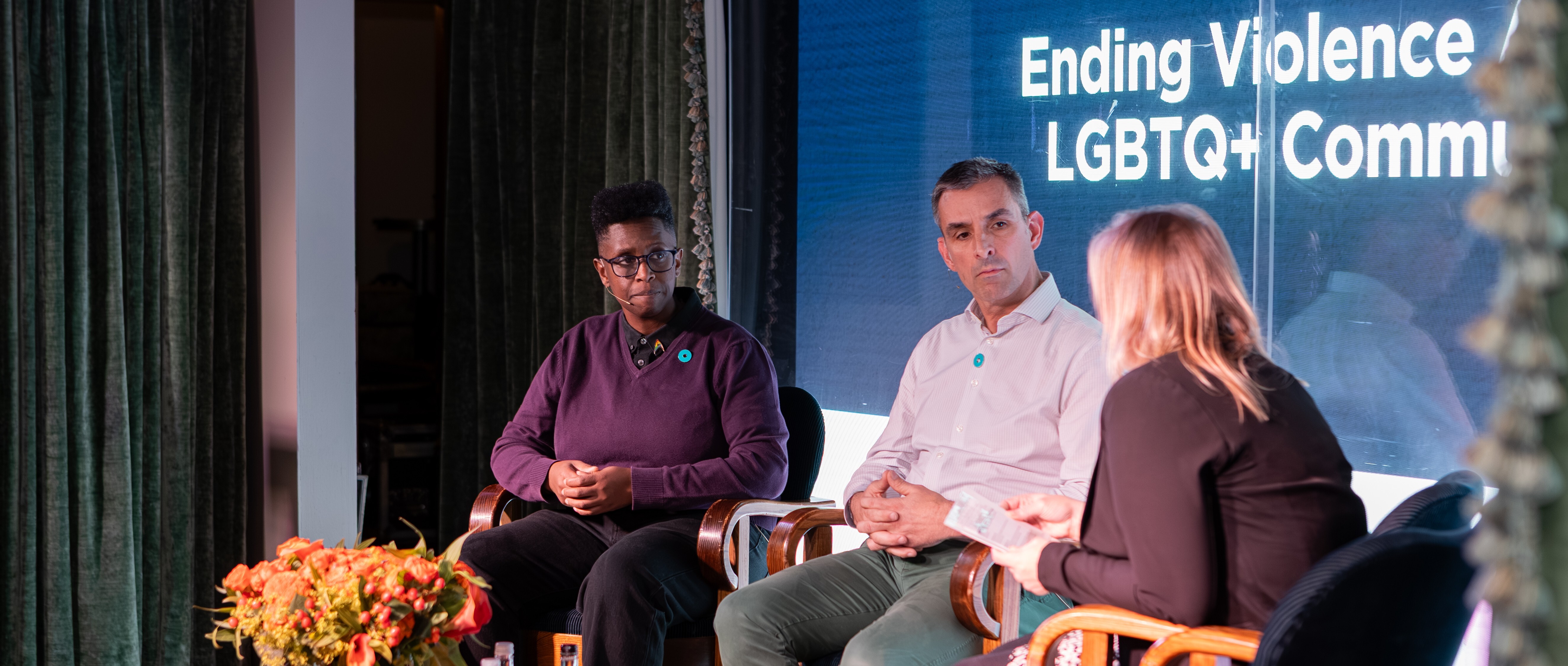
Last week at the No More, End Violence Against Women conference, I highlighted this:
unless we are honest about the fact that it is predominantly heterosexual men who commit violence against women, then we will continue to perpetuate narratives that hinder effective policymaking. Failing to challenge narratives and policies that persistently seek to undermine the dignity of a small and marginalised group in trans and non-binary people does nothing to help achieve the shared goal of ending violence against all women and girls, including against those in the LGBTQ+ community.
We should all be worried. Exclusion is not something to be celebrated - it should give cause for concern to all of us who care about creating and maintaining an equal and prosperous society.
We know that many are struggling and deeply worried. If you need support, please reach out to those who offer support: